

Supplements
Diversity Supplements

Adapting a Virtual Reality Environment to Support Social Engagement Needs and Preferences of Homebound Minority Older Adults with Multiple Chronic Conditions
Atami De Main at Weill Cornell Medicine, 2023

International Collaborators
Current CREATE International Collaborators
Cross-Cultural Insights into Virtual Reality Adoption: Enhancing Cognitive, Activity, and Social Engagement for Older Adults in the U.S. and China
This project investigates preferences of older adults for virtual reality (VR) applications. This is a comparison study between two cultural contexts: Illinois, U.S., and Beijing, China. The findings will contribute to the design of culturally inclusive and adaptive VR systems.
Collaborators
Principal Investigator: Jihong Jeung
Affiliation: Research Center for Aging User Experience and Service System Design (AeX), The Future Laboratory, Tsinghua University, China

Tsinghua University, Beijing. Learn more about this institute.
Smart Aging in Community Contexts: Testing Intelligent Assistive Systems for Self-Regulation and Co-Regulation Under Real-Life Conditions (SMART-AGE)
This project will investigate to what extent and in what way older adults can benefit from the use of tablet-based apps that address basic quality-of-life domains that most gerontologists would regard as critical. SMART-AGE includes three apps that focus on social participation enhancement, health awareness and maintenance, and physical fitness improvement, respectively; and an additional app that users could share their experiences and feedback through.
SMART-AGE Symposium
Collaborators
Principal Investigator: Jürgen Bauer, Lorenzo Masia, Barbara Paech, & Hans-Werner Wahl
Affiliation: Heidelberg University, Germany

Heidelberg University, Germany. Learn more about this institute.
Assessing the Age-Related Digital Divide of Mobile Devices with Technology Obsolescence, Mobile Device Proficiency and Smartphone App Usage
This project will compare technological obsolescence, mobile device proficiency, and the usage patterns of smartphone apps between Hong Kong middle-aged & older adults and their younger counterparts, as well as with American middle-aged & older adults, especially in the post-pandemic era. The findings will inform the development of more nuanced indicators for measuring the evolving intergenerational digital divide.
Collaborators
Principal Investigator: Lau, Hi Po
Co-Investigators: Pat, Ying Chun Lian; Shum, Ngai Yin Eric
Affiliation: Department of Counselling & Psychology, Hong Kong Shue Yan University, Hong Kong

Hong Kong Shue Yan University, Hong Kong. Learn more about this institute.

Participant Opportunities
Participant Opportunities
The CREATE research projects offer participant opportunities for diverse older adult populations. Details will be posted soon!
Trainees
Trainees

Social Assistive Robots for Cognitive Engagement: A Pilot Study with Older Adults with and without Cognitive Impairment
Eliza Baby, Shafiqul Islam, & Raksha Mudar at University of Illinois Urbana-Champaign, 2025.

XR Training of Vital Sign Measurements for Older Patients and Caregivers
Pallabi Bhowmick & Avinash Gupta at University of Illinois Urbana-Champaign, 2025.

The Impact of Online Health Information Seeking on Older Adults’ Subjective Views of Aging and Health Management
Wan Wen & Shannon Mejia at University of Illinois Urbana-Champaign, 2025.

Developing a Generalizable Reminiscence Intervention using Immersive Virtual Reality: A Pilot Study
Andrew Dilanchian, Michael Prevratil, & Dorota Kossowska-Kuhn at Florida State University, 2023.

Meta-Analysis of mHealth Applications for Older Adults: Technology Enhancing Health Maintenance and Well-Being
Renato Ferreira Leitao Azevedo at University of Illinois Urbana-Champaign, 2023.

Understanding Attitudes and Preferences Regarding Technology to Support Prospective Memory Among Older Adults With Subjective Cognitive Decline
Edie Sanders at Florida State University, 2023.

Leveraging Presence Through Virtual Reality to Support Social Connectivity
George Mois at University of Illinois Urbana–Champaign, 2022.

Navigational Training for Older Adults in Virtual Reality
Bill Xu at Cornell University, 2022.
Early Stage Investigators
Early Stage and Faculty Investigators
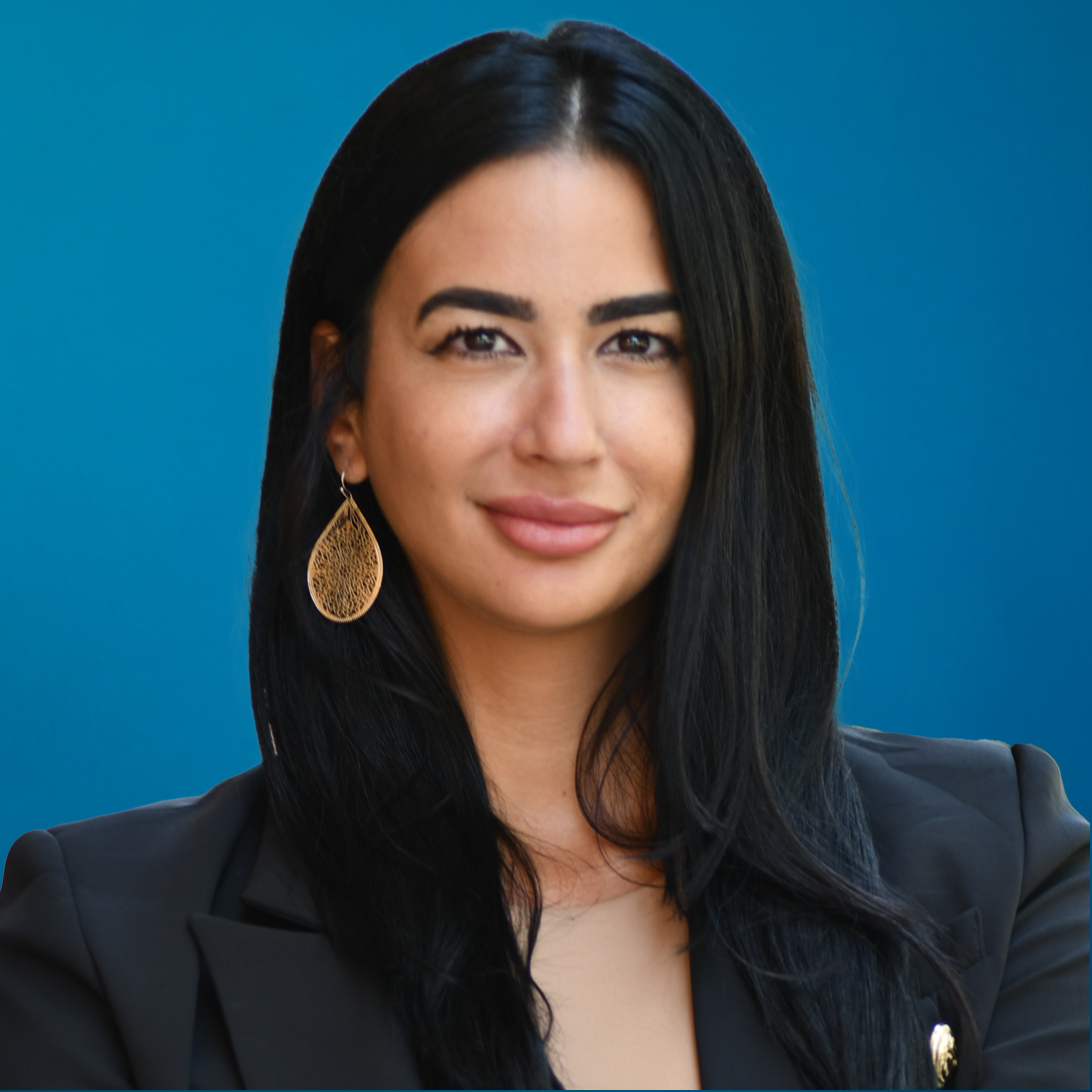
Exploring VR-Based Skills Training for Dementia Family Caregivers
Francesca B Falzarano at Weill Cornell Medicine, 2026.

Using AI Chatbots to Address Health-Related Social Needs in Older Adults
Alex Chen at Weill Cornell Medicine, 2026

Adapting CareEngage to Promote Social Engagement among Older South Asian Caregivers
Minakshi Raj at University of Illinois Urbana-Champaign, 2024.

Robot Support for Individuals with Physical Disabilities
Harshal Mahajan at University of Illinois Urbana-Champaign, 2024.

Self-Representation of Older Adults in Virtual Reality
Shenghao Zhang at Weill Cornell Medicine, 2024.
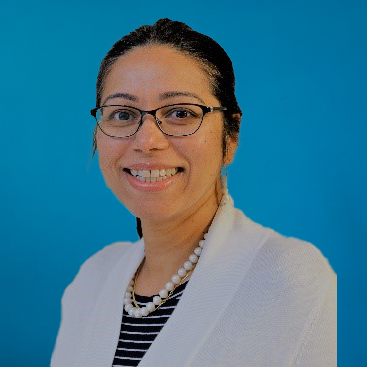
Targeted Neurofeedback Training to Alleviate Tinnitus Distress
Fatima Husain at University of Illinois Urbana-Champaign, 2024.

Co-Designing a Personalized Conversational Health Agent (Pcha) with People with Visual Impairments
Soyoung Choi at University of Illinois Urbana-Champaign, 2023.

Optimizing Digital Memory Augmentation for Mild Cognitive Impairment
Chris Martin at Florida State University, 2022.
Project 3
Project 3: Technology Tools for Cognitive Support for Health Management Activities for Aging Adults with and without Mild Cognitive Impairment
Overview
Older adults are often faced with making decisions related to the healthcare such as determining which Medicare plan is right for them, whether they should purchase long-term care insurance, or if they should remodel their home to support their changing needs. Such complex decision making can be supported through information guides, search tools, and advancements in technology such as artificial intelligence (AI). We are exploring decision-support challenges as well as the potential benefits of various solutions through subject matter expert interviews, structured interviews with older adults, task analysis, human factors evaluation, archival data sets from our partners, and behavioral observations of older adults performing realistic tasks. Our aims include understanding the cognitive demands, facilitators, and individual difference predictors of decision-making challenges in healthcare-management activities. We will evaluate, with a diverse sample of older adults including those with mild cognitive impairment and lower socioeconomic status, the usability, acceptability, and efficacy of the digital assistant tools to support these activities.
Principal Investigators

Sara J. Czaja, Ph.D.

Walter R. Boot, Ph.D.

Neil Charness, Ph.D.
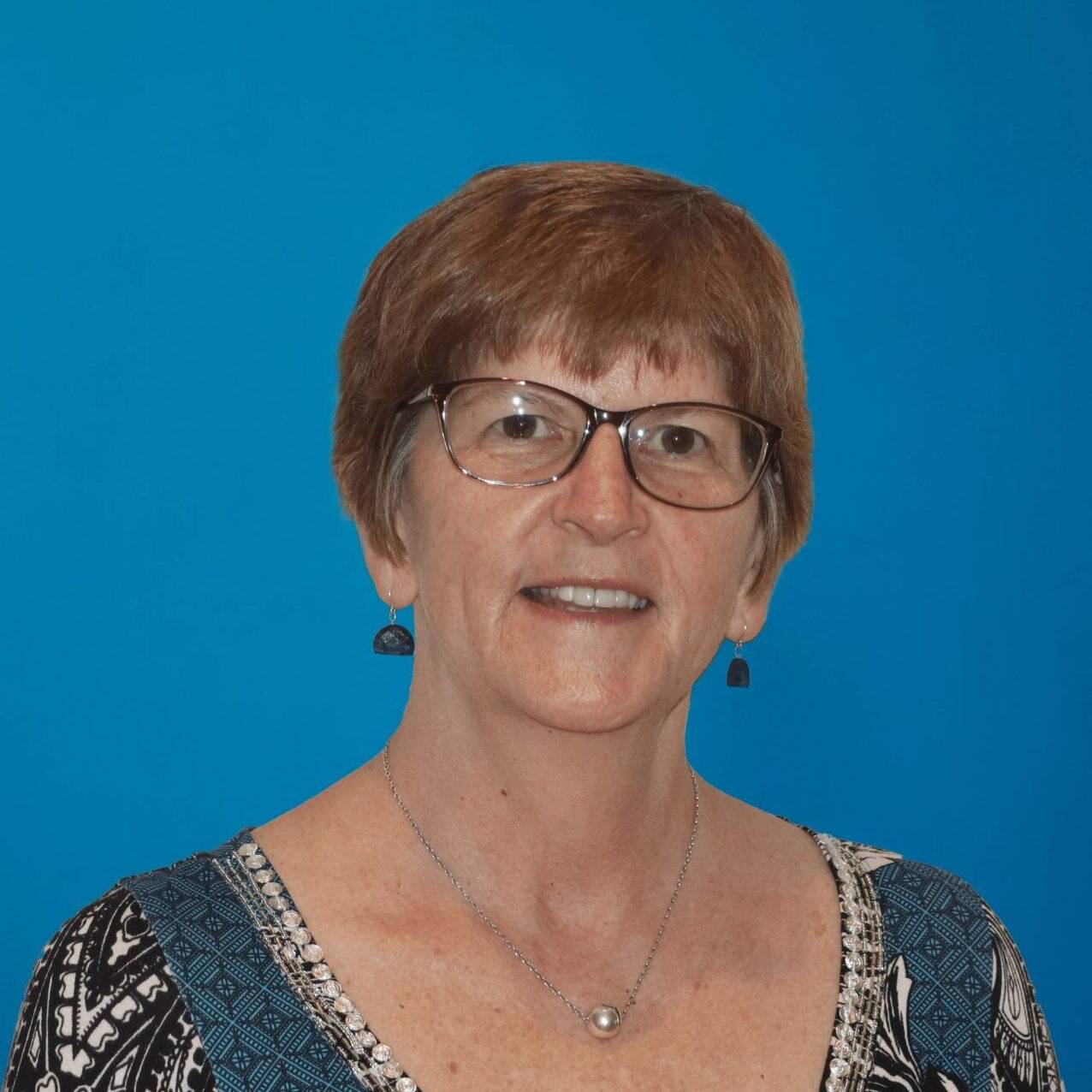
Wendy A. Roger, Ph.D.
Key Personnel

Hye Soo Lee, Ph.D.

Xin Lin, Ph.D.

David Loewenstein, Ph.D.

Raksha Mudar, Ph.D.

Lisa Ravdin, Ph.D.

Catherine Riffin, Ph.D.

Emily Rogalski, Ph.D.

Mario Hernandez, M.S.

Emma Lachs, B.S.

Olivia Rojas, B.S.

Prarthana Rawal

Angel Urquizo

Dhriti Patel
Products
Understanding Medicare-related decision-making by older adults: Role of technology support. Click for link
Exploring the potential of artificial intelligence-powered virtual assistants to support older adults’ search needs. Click for link
Are virtual assistants trustworthy for Medicare information: An examination of accuracy and reliability. Click for link
Developing a framework for digital activities of daily living. Click for link
Differential digital divides: Age gaps across existing and emerging technologies. Click for link
A short Medicare Proficiency Questionnaire (MPQ): Reliability and validity. Click for link
Project 2
Project 2: Technology Support for Cognition and Social Engagement for Aging Adults with Mild Cognitive Impairment (MCI)
Overview
Persons with cognitive impairment experience changes in one or more cognitive functions including memory, attention, language, executive function impacting their ability to independently carry out everyday activities. Advances in technology offer promising avenues to support them with these everyday activities provided these technologies are carefully designed to meet the unique needs and preferences of this population The goal of this project is to develop and evaluate a program called SPARC: Supporting Personal Activities and Reinforcing Cognition. SPARC is an intelligent adaptive system that will provide cognitive support, social support, and engagement with older adults with mild cognitive impairment (MCI). Speech data will be collected through a reminiscence feature to study how language production data can be used as an early indicator of cognitive decline. We are following a user-centered design process that includes interviews with clinical advisors, focus groups with technology experts, and focus groups with older adults with MCI. We will then field-test the usability and usefulness of SPARC for older adults in the community who have MCI.
Principal Investigators
Sara J. Czaja, Ph.D.

Walter R. Boot, Ph.D.
Neil Charness, Ph.D.
Wendy A. Roger, Ph.D.
Key Personnel

Shayok Chakraborty, Ph.D.
Xin Lin, Ph.D.
David Loewenstein, Ph.D.
Raksha Mudar, Ph.D.

Rachel Ostrand, Ph.D.
Lisa Ravdin, Ph.D.
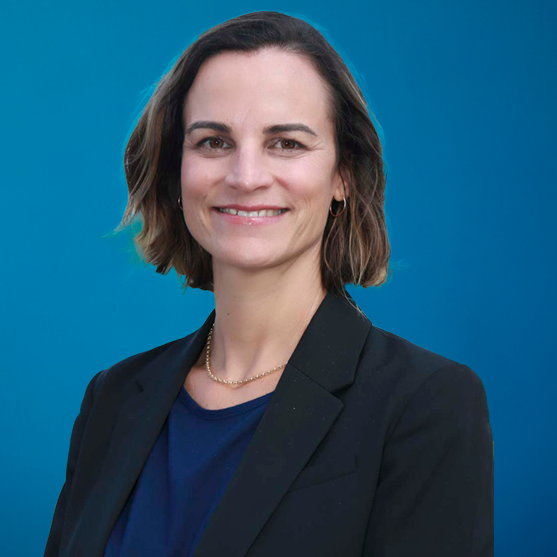
Tracy Mitzner, Ph.D
Emily Rogalski, Ph.D.
Mario Hernandez, M.S.

Liujing Xie, M.S

Lauren Robinet, B.S.
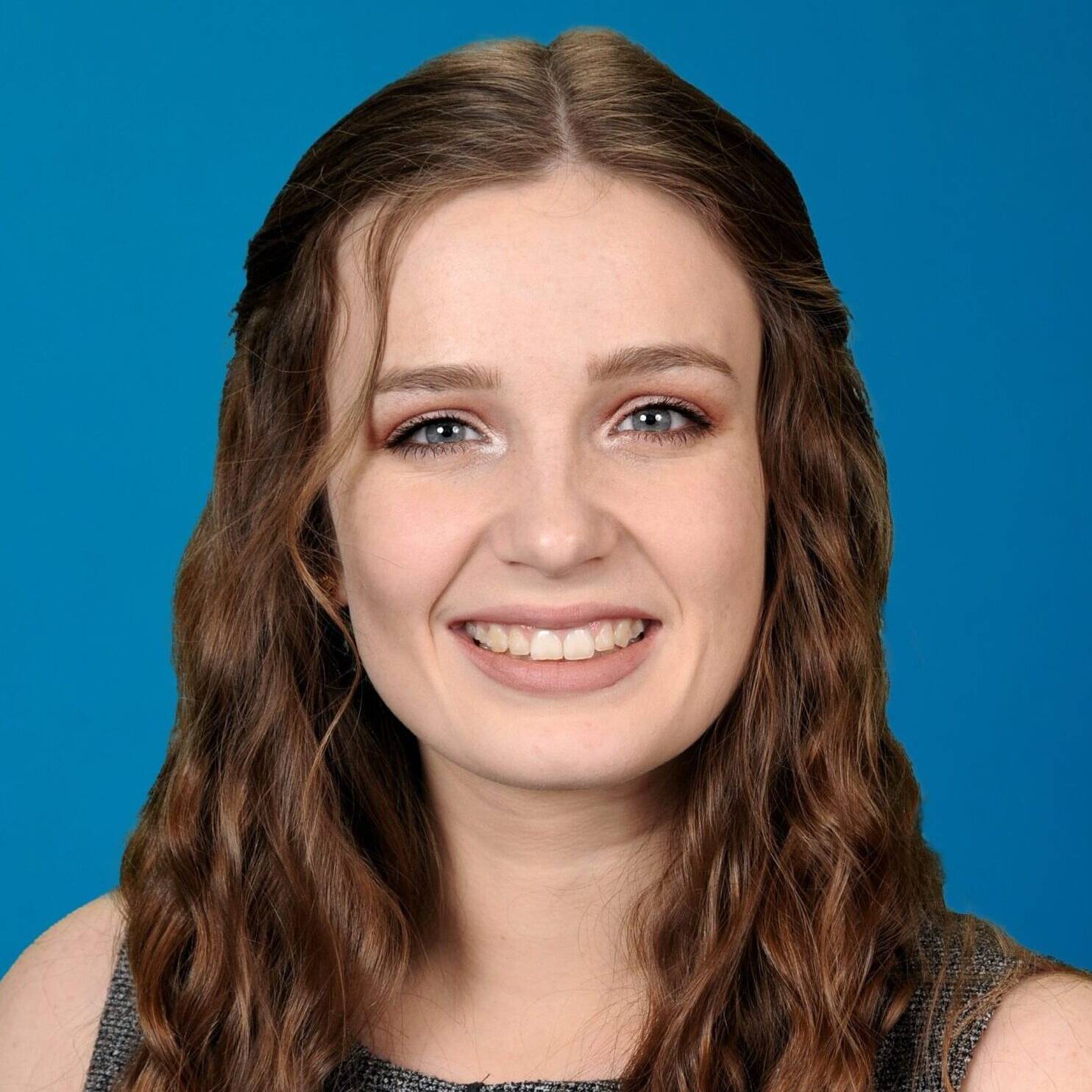
Annalee Mueller
Products
The use of technology to support cognitive diversity among aging adults. Click for link
Grand challenges of smart technology for older adults. Click for link
The benefits of technology for engaging aging adults: Findings from the PRISM 2.0 trial. Click for link
Designing for older adults with cognitive impairment: A panel discussion. Click for link
Project 1
Project 1: Virtual Reality to Support Cognitive Health and Engagement and Socialization Among Aging Adults
Overview
Virtual reality (VR) systems provide an immersive and engaging experience that give users the realistic impression of being present in a context or situation outside their home, alone or with others. To date, few studies have examined usability and acceptance of VR applications or their efficacy with older adults or examined social or cognitive engagement applications. The purpose of this project is to evaluate and fill in crucial gaps in knowledge to ensure that individuals of all ages can use and benefit from emerging technologies to support important outcomes related to health, well-being, and cognition. The goal is to enable older adults to benefit from VR in their homes. We will first examine usability and acceptance of VR applications by older adults to identify preferences for applications within the targeted four domains of the planned VRT CAST program: training and new learning, cultural opportunities, social support, and leisure opportunities.
Principal Investigators
Sara J. Czaja, Ph.D.
Walter R. Boot, Ph.D.
Neil Charness, Ph.D.
Wendy A. Roger, Ph.D.
Key Personnel
Pallabi Bhowmick, Ph.D.

Marco Ceruso, Ph.D.
Atami De Main, Ph.D.

Avinash Gupta, Ph.D.

Saleh Kalantari, Ph.D.

Tracy Mitzner, Ph.D.
Bill Xu, Ph.D.
Shenghao Zhang, Ph.D.

Emre Eraslan, M.S.
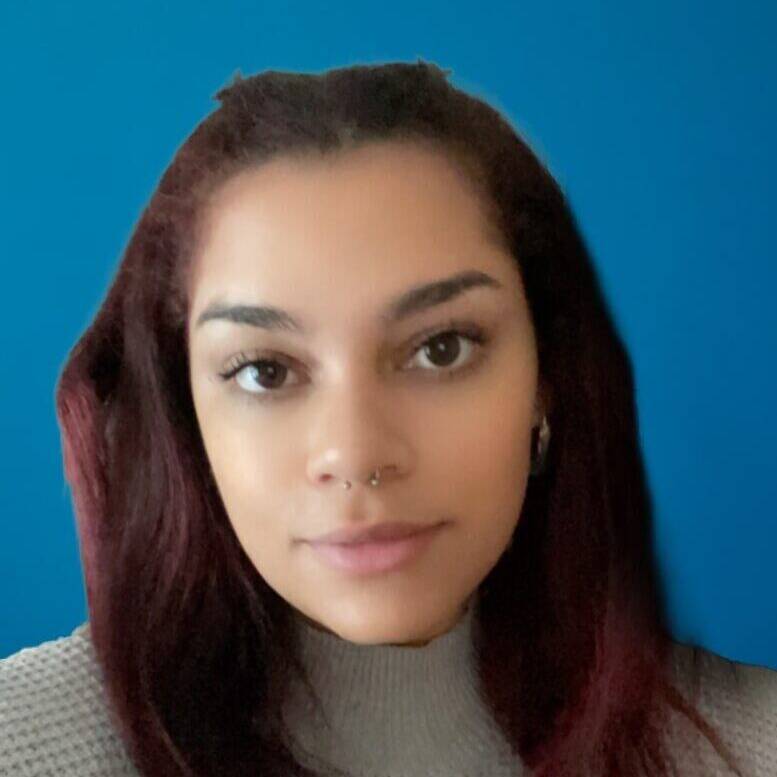
Veronica Falcon Borbolla, B.S.
Products
Xu, T. B., Mostafavi, A., Boot, W. R., Czaja, S., & Kalantari, S. (2025). Assessing the feasibility and efficacy of virtual reality navigational training for older adults. Innovation in aging, 9(1), igae099.
Click for link
Boot, W. R., Dilanchian, A., Kalantari, S., & Czaja, S. J. (2024). Extended reality solutions to support older adults.
Click for link
Mois, G., Eraslan, E., Cheng, Q., Sun, T., Louis-Charles, W., Gupta, A., & Rogers, W. (2024). Understanding older adults’ interest in using virtual reality to support social engagement activities. Innovation in Aging, 8(Supplement_1), 1224.
Click for link
Boot, W. (2023). Virtual reality to support the needs of older adults with and without cognitive impairments. Innovation in Aging, 7(Suppl 1), 98.
Click for link
Borbolla, V. F., Boot, W., Dilanchian, A., Torres, A. S. G., Hernandez, M., Xu, B. T., … & Kim, B. (2023). Human factors issues in the design of virtual reality to support older adults’ social and cognitive engagement. Innovation in Aging, 7(Supplement_1), 1058-1058.
Click for link
Kalantari, S., Xu, T. B., Mostafavi, A., Kim, B., Dilanchian, A., Lee, A., … & Czaja, S. J. (2023). Using immersive virtual reality to enhance social interaction among older adults: A cross-site investigation. Innovation in Aging, 7(4), igad031.
Click for link
Xu, T., Mostafavi, A., Lee, A., Kim, B., Boot, W., Czaja S.J., & Kalantari S. (2023). Designing virtual environments for social engagement in older adults: A qualitative multi-site study. CHI Conference on Human Factors in Computing Systems, 1-15.
Click for link
Kalantari, S., Bill Xu, T., Mostafavi, A., Lee, A., Barankevich, R., Boot, W. R., & Czaja, S. J. (2022). Using a nature-based virtual reality environment for improving mood states and cognitive engagement in older adults: A mixed-method feasibility study. Innovation in aging, 6(3).
Click for link
Dilanchian, A. T., Andringa, R., & Boot, W. R. (2021). A pilot study exploring age differences in presence, workload, and cybersickness in the experience of immersive virtual reality environments. Frontiers in Virtual Reality, 2, 736793.
Click for link
Mitzner, T. L., McGlynn, S. A., & Rogers, W. A. (2021). Understanding spatial presence formation and maintenance in virtual reality for younger and older adults. Gerontechnology, 20(2).
Click for link
Pilot Grant Program
Pilot Grant Program
The CREATE Pilot Research Program serves as an incubator for research, exploration of new technology applications, a training venue for students, a launch pad for junior scientists, and a way to promote cross–site collaborations. This program supports Early Stage Investigators and trainees in investigating topics relevant to CREATE’s research goals.
1. Early Stage and Faculty Investigators. According to the NIH guidelines, Early Stage Investigators are those who have completed their terminal research degree or post–graduate clinical training and have not previously served as a PD/PI for a substantial (e.g., R01) independent research award. For this program, investigators who hold positions in academic institutions affiliated with CREATE are eligible for the program. Faculty members exploring new areas are also eligible.
2. Trainee Pilot Grants. For this program, students, who are post–doctoral or post–graduate clinical training fellows (PD/MD) or are currently enrolled in a PhD program in academic institutions affiliated with CREATE are eligible for the program.
3. Supplements. Supplements from the National Institutes of Health are designed to augment the research activities of funded projects. They may be Diversity Supplements (intended to improve the diversity of the research workforce by recruiting and supporting investigators from diverse backgrounds) or general Administrative Supplements (designed to meet increased, unforeseen costs that are within the scope of the approved project).
Sites
CREATE Sites
The links below lead to the individual sites, departments, institutes and other groups that are associated with the Center.
Weill Cornell Medicine
Center on Aging and Behavioral Research
Division of Geriatrics & Palliative Medicine
Florida State University
Department of Psychology
Institute for Successful Longevity
The Pepper Institute on Aging and Public Policy
Georgia Institute of Technology
Center for Assistive Technology and Environmental Access
Aware Home Research Initiative
University of Illinois at Urbana-Champaign
Department of Kinesiology & Community Health
Human Factors and Aging Laboratory
University of Miami
Center on Aging
Industrial Engineering